Golden Sand Beach Da Nang-A Pristine Paradise in the Heart of the Coastal City

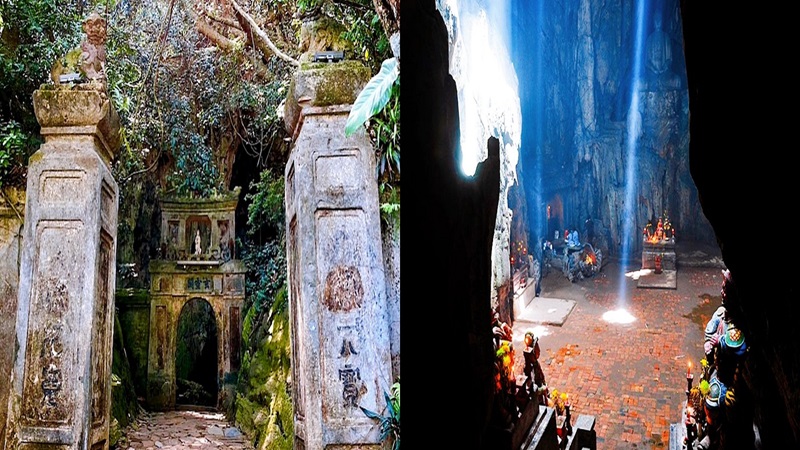
Located deep in Thuy Son, part of the Ngu Hanh Son complex, Hoa Nghiem Cave is recognized by tourism experts and cultural researchers as one of the most notable spiritual destinations in Da Nang.
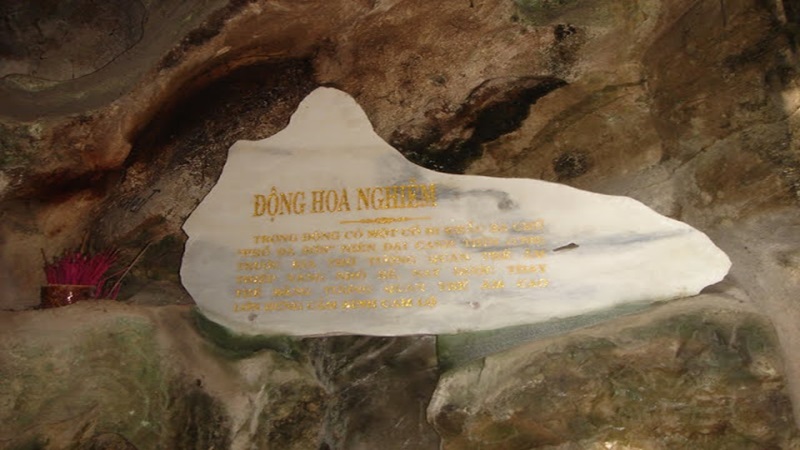
A well-preserved ancient stone stele named "Linh Trung Phật," established by monk Huệ Đạo Minh in 1640 (Canh Thìn year), adorns the left rock wall at the cave’s entrance. This precious stele meticulously records the restoration process of the associated temple and honors the significant contributions of Buddhist devotees during that era, notably including Japanese and Chinese families who settled in Hội An’s ancient town. The presence of international names on the stele clearly demonstrates that, as early as the 17th century, Ngu Hanh Son was a vital hub for multicultural exchange, drawing special attention from religious communities across various nations.
The most striking and impressive stone sculpture in Hoa Nghiêm Cave is the meticulously crafted statue of Avalokiteshvara (Guanyin), created by skilled artisans in 1960. Standing nearly as tall as the cave’s ceiling, the statue exudes majesty and profound compassion, characteristic of Avalokiteshvara in Buddhist beliefs. The statue’s placement was carefully calculated to maximize natural light streaming in from the cave’s entrance, creating a visually striking and sacred effect for worshippers.
The cave’s natural rock walls preserve numerous poems carved directly into the stone, known as "ma nhai," a distinctive art form. Particularly notable is the poem "Remembering Ngu Hanh Son" by Nguyễn Văn Mại, hailed by literary experts as an exemplary work that expresses deep affection and reverence for the natural beauty and sacred spiritual value of Ngu Hanh Son. These ma nhai inscriptions are regarded by cultural researchers as invaluable evidence of the seamless integration of poetic art and religious beliefs in Vietnam’s traditional culture.
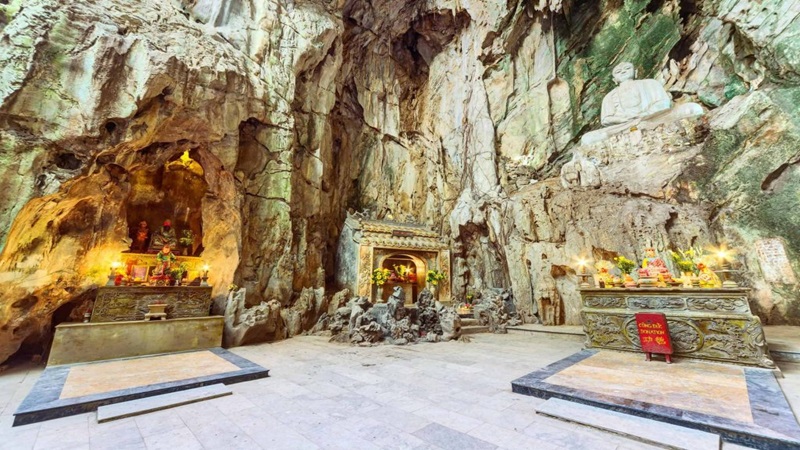
Hoa Nghiêm Cave was formed through the complex natural erosion of limestone by rainwater over millions of years. Its unique geological structure has given rise to magnificent stalactite formations in diverse and intricate shapes, each rock bearing its own distinct and captivating beauty. The cave’s natural lighting system, facilitated by crevices and ventilation holes in the ceiling, produces shimmering beams of light that transform magically throughout the day.
The cave’s unique natural architecture creates an extraordinary acoustic space where sounds are amplified and resonate gently, producing a soothing echo. This acoustic feature significantly enhances the serene and tranquil atmosphere, providing an ideal setting for meditation and prayer.
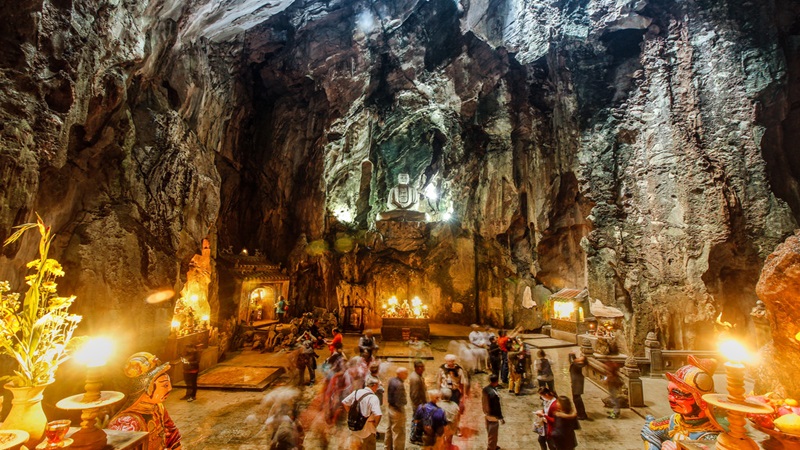
Visitors to Hoa Nghiêm Cave often engage in worship at the Avalokiteshvara statue, lighting incense and praying for peace and well-being for themselves and their families with deep reverence. The cave’s tranquil and serene environment offers an ideal space for those seeking inner calm after stressful and busy days. Many visitors report feeling spiritually cleansed and at peace after praying in this sacred space.
Cultural researchers and students from universities both within Vietnam and abroad frequently choose Hoa Nghiêm Cave as a field study site to explore the historical multicultural exchanges in Vietnam. The Linh Trung Phật stele provides invaluable insights into the trade and cultural interactions between Vietnam, Japan, and China from the 17th century onward.
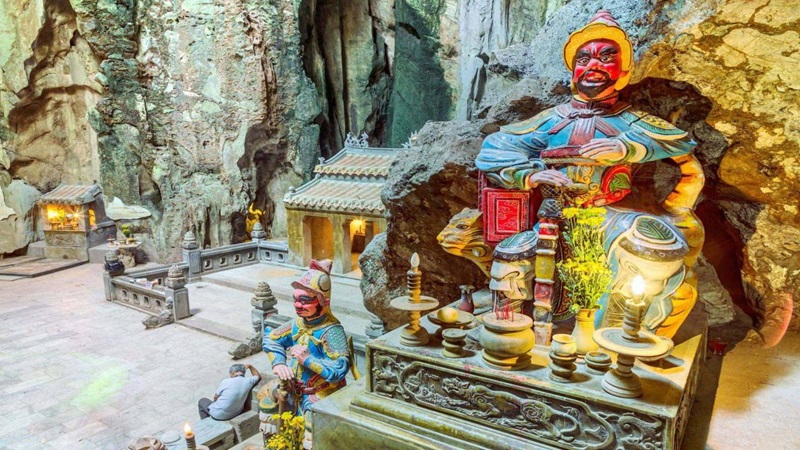
From central Da Nang, visitors can take one of two main routes to reach Hoa Nghiêm Cave conveniently. The first route follows Võ Nguyên Giáp Street, then turns onto Trường Sa Street to reach the Non Nước area. The second route goes along Lê Văn Hiến Street directly to Non Nước. Both routes are relatively flat, easy to navigate, and suitable for motorbikes, cars, or taxis, with a travel time of approximately 15 minutes, depending on traffic conditions.
For those preferring public transportation, bus route number 1 from Da Nang’s central bus station, with its final stop at Ngu Hanh Son, is a cost-effective option that allows travelers to immerse themselves in local life.
Upon arriving at the base of Ngu Hanh Son, visitors should follow the path alongside Tam Thai Pagoda, then turn left to find the entrance to Hoa Nghiêm Cave. As Hoa Nghiêm Cave shares an entrance with Huyền Không Cave, tourists can conveniently visit both caves in one trip to optimize their experience.
The ideal time to visit Ngu Hanh Son and Hoa Nghiêm Cave is year-round, thanks to the area’s cool and pleasant climate. Summer is dry and not overly harsh due to the natural shade provided by the mountains, while winter offers a particularly serene and tranquil atmosphere. However, on rainy days, visitors should exercise caution, as mountain paths can become slippery due to moss-covered stones.
The paths are primarily mountainous with mossy, slippery sections, so visitors should move slowly and carefully, especially when riding motorbikes. For families with children or first-time visitors, taxis or ride-hailing services like Grab are safer and more comfortable options. Motorbikes suit those who prefer flexible, independent exploration, while buses are ideal for budget-conscious travelers.
Visitors should bring drinking water, comfortable non-slip shoes, and a camera to capture the stunning moments inside the cave and the surrounding majestic mountain scenery.
Travel experts and experienced guides recommend visiting Hoa Nghiêm Cave during the dry season from February to May to avoid rainy, humid weather that could affect safe travel on rocky mountain paths. Mornings from 7:00 AM to 9:00 AM or afternoons from 4:00 PM to 5:30 PM are the best times for natural lighting, allowing visitors to fully appreciate the cave’s beauty and take high-quality photos.
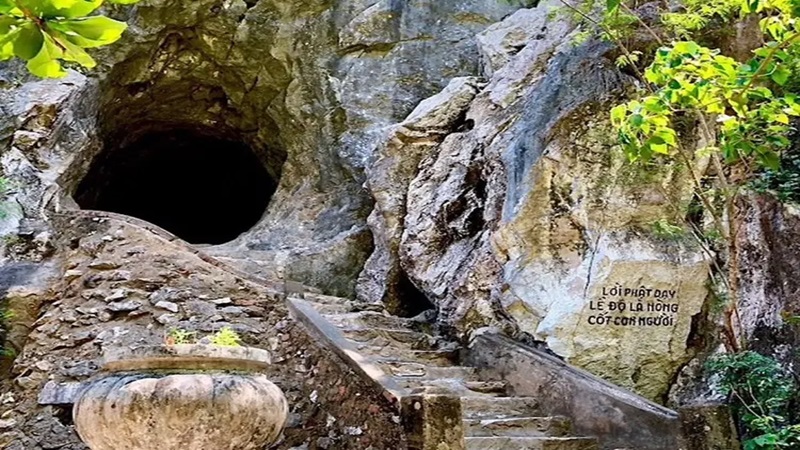
Given the sacred spiritual nature of the site, visitors should wear respectful and modest clothing, such as long-sleeved shirts and long pants or skirts below the knee, when entering the worship area. Sports shoes with non-slip soles are highly recommended to ensure safety on potentially wet and slippery stone steps.
The entrance fee to Thuy Son, which includes Hoa Nghiêm Cave, is currently 40,000 VND per adult (updated for 2025). Exploring the entire cave typically takes 30 to 60 minutes, depending on the visitor’s interest and understanding of the historical and cultural values preserved here.
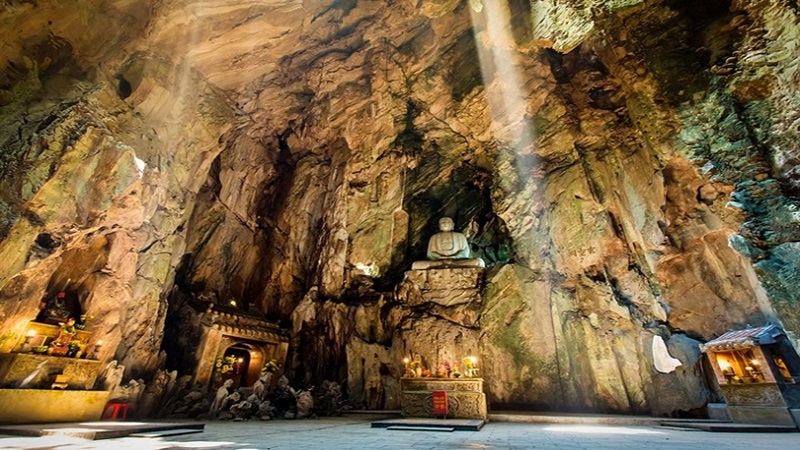
Sharing an entrance with Hoa Nghiêm Cave, Huyền Không Cave is considered the largest and most impressive cave in the Ngu Hanh Son complex, featuring skillfully arranged Buddha statues and altars. Visitors can easily combine visits to both caves for a comprehensive and meaningful spiritual tourism experience.
Located near Hoa Nghiêm Cave, Tam Thai Pagoda is an ancient temple with centuries of history and architecture reflective of the early Nguyễn dynasty. It attracts significant interest from visitors keen on studying Vietnam’s traditional religious architecture across historical periods.
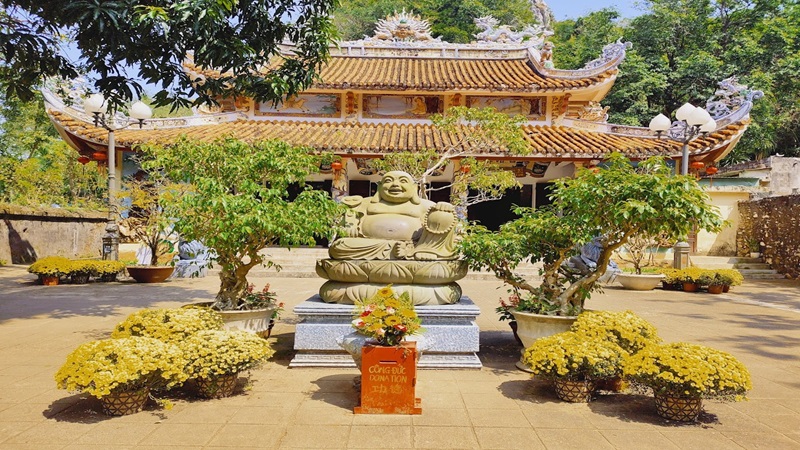
Hoa Nghiêm Cave faces significant challenges in preserving its heritage due to harsh tropical weather conditions and the increasing number of visitors each year. Cultural heritage experts continually emphasize the urgent need for strict visitation regulations to protect the precious ma nhai inscriptions and stone statues from erosion and damage over time. Responsible cooperation between management authorities and the visitor community in maintaining environmental hygiene and respecting the sacred space is crucial to ensuring future generations can experience the pristine beauty of this historic cave.
Hoa Nghiêm Cave is truly an unmissable destination in the journey to explore Ngu Hanh Son, where visitors can marvel at breathtaking natural beauty while delving into the profound and unique cultural and historical values of the charming city of Da Nang.
Total comments: 0 👇 Scroll below to view